Across residential estates in Lagos, Abuja, Port Harcourt, and Ibadan, estate executive committees face an escalating dilemma: the creeping commercialization of residential neighborhoods. Properties originally built as single-family duplexes or quiet flats are increasingly converted into commercial enterprises, including beauty salons, fashion design studios, preschools, cloud kitchens, private gyms, religious fellowships, and distribution hubs.
While estate associations want to encourage entrepreneurship, unregulated commercial operations fundamentally disrupt residential life. When a home becomes a retail storefront, the surrounding neighborhood experiences heavy vehicular traffic, street parking congestion, excessive commercial waste, and heightened security risks from unvetted walk-in customers.
Drawing the Line: Quiet Home Offices vs High-Impact Commercial Outfits
The first step in effective estate governance is distinguishing between quiet, non-disruptive professional work and high-impact commercial operations. Estate bye-laws should clearly define two categories:
- Permitted Quiet Occupations: Remote tech workers, software developers, writers, architects, and legal consultants who work from their living rooms with zero customer walk-in traffic and no physical signage. These occupants place no additional burden on estate infrastructure and should never be penalized.
- High-Impact Commercial Businesses: Enterprises that generate customer foot traffic, regular commercial delivery vans, external retail signage, noise, or significant industrial waste (such as restaurants, beauty spas, event venues, daycares, or logistics depots). These businesses require formal committee authorization, commercial operating permits, and specialized levies.
The Four Ways Businesses Impact Estate Management
When commercial businesses operate without oversight, they impose substantial hidden costs on the entire residential community:
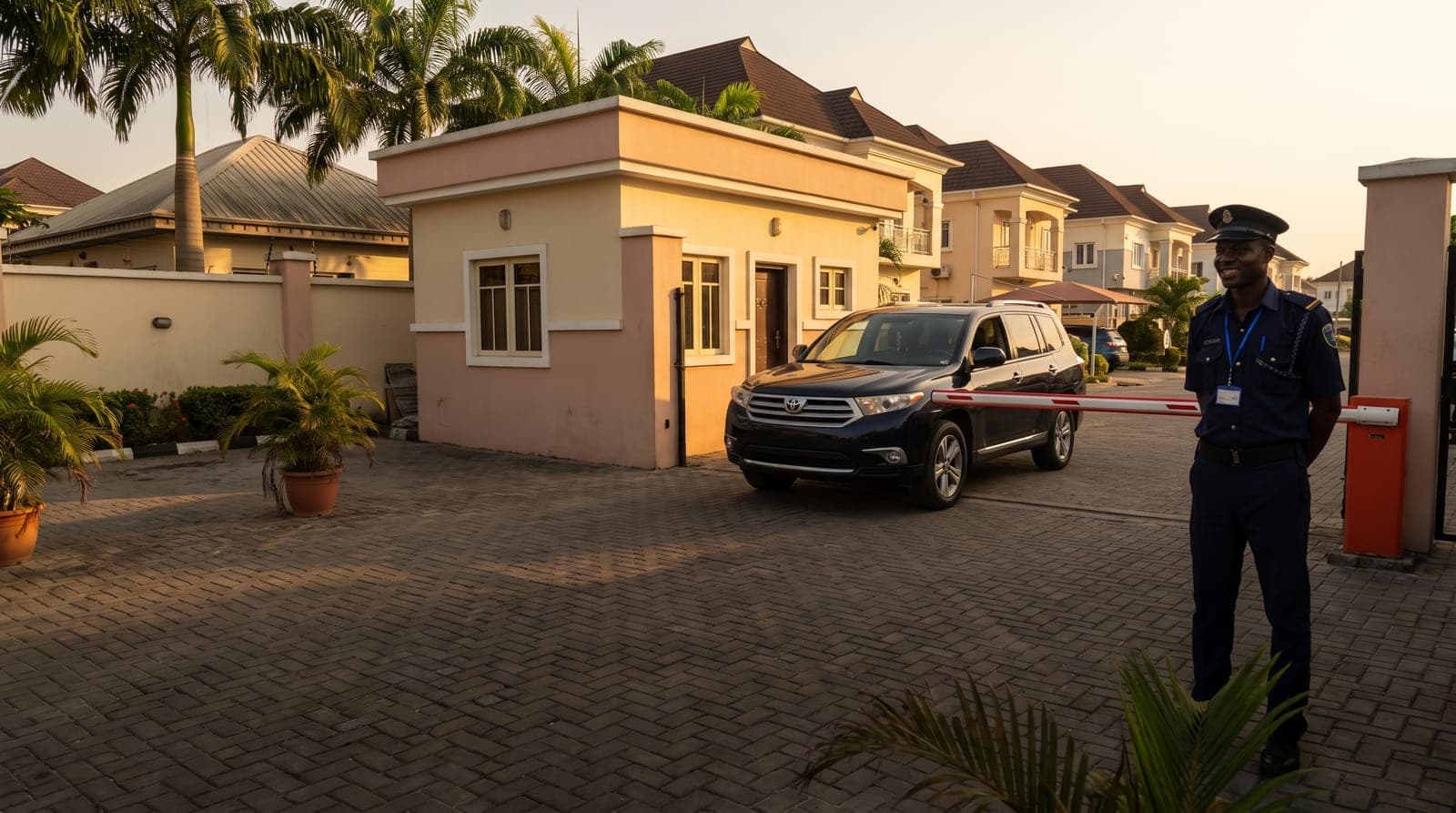
- Gatehouse Security Overload: Gate guards are inundated with dozens of unknown delivery drivers and customers daily, slowing entry for residents and increasing the risk of unauthorized intruders slipping past the barrier.
- Street Parking and Blocked Driveways: Commercial customers frequently park along narrow estate avenues, blocking neighbors' gates, obstructing emergency access, and creating visibility hazards at street corners.
- Accelerated Road and Drainage Wear: Frequent delivery trucks and heavy delivery vans cause asphalt cracking and damage concrete culverts far faster than standard residential family cars.
- Commercial Waste Spikes: Restaurants, salons, and distribution hubs generate mountains of commercial packaging, food scraps, and chemical waste that quickly overwhelm residential municipal waste bins.
Instituting a Commercial Service Charge Surcharge
Because businesses consume far more communal infrastructure and gatehouse security attention than regular households, they should not pay the same baseline service charge as quiet residential homes. Leading Nigerian estates institute a formal Commercial Surcharge:
Commercial units can be charged more than homes, at a rate agreed at a general meeting and written into the by-laws. This additional revenue is earmarked specifically for the estate infrastructure sinking fund to repair road paving, replace gate barrier motors, and fund dedicated commercial waste evacuation.
Establishing Enforceable Commercial Operating Bye-Laws
To protect community tranquility, estate committees must enact clear operational rules for authorized businesses:
- Strict Operating Hours: Commercial customer visits must be restricted to standard business hours (for example, Monday to Saturday 8:00 AM to 7:00 PM, with no Sunday retail foot traffic).
- Designated Off-Street Parking: Businesses must provide internal compound parking for customers; street parking that blocks driveways must incur automatic escalating fines.
- Signage Restrictions: External commercial billboards on estate fences must be banned or strictly limited to modest, uniform directory plaques approved by the EXCO.
- Security Minimum Wage Standard: Guards handling heavy commercial traffic need to stay alert, so pay guards at least the national minimum wage, ₦70,000 a month since July 2024.