
An estate without clear, written bye-laws quickly descends into endless arguments on the WhatsApp group. When should construction work stop on weekends? Can a visitor park in front of another resident's gate? What happens when a tenant refuses to pay the estate service charge? A comprehensive, AGM-ratified set of bye-laws gives the executive committee the authority to manage the community fairly and firmly.
Core sections every estate bye-law must include
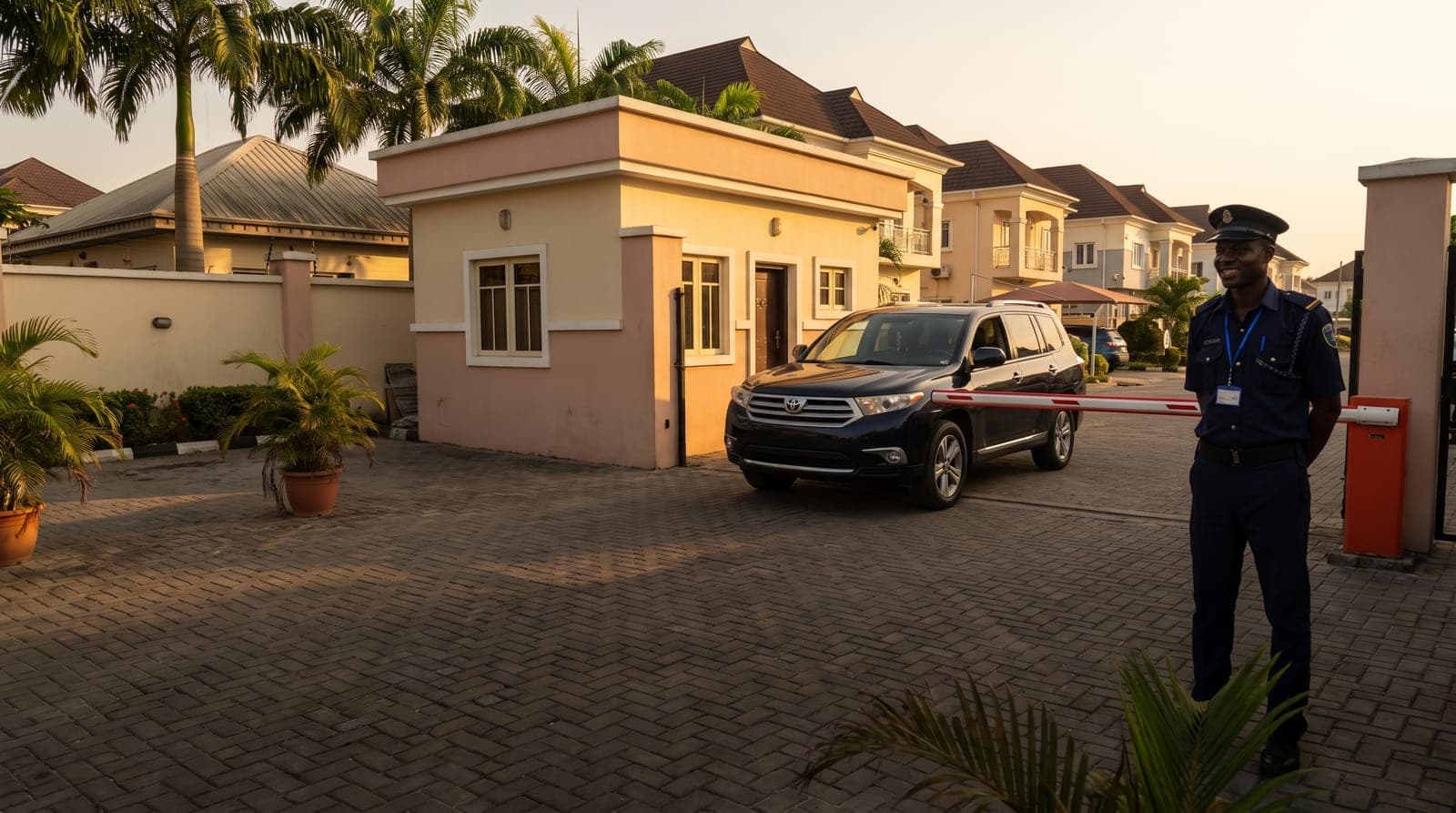
- Security & Gate Access: Requirement for digital visitor passes, visitor identification, verification before entry, and strict delivery courier protocols.
- Service Charge & Dues: Defining the annual service charge, payment deadlines (at lease start or January 31st), and penalties for late payment or arrears.
- Traffic & Parking: Speed limits inside the estate (usually 15–20 km/h), banned parking spots (no blocking driveways or hydrants), and designated guest parking areas.
- Noise & Environmental Conduct: Quiet hours (e.g. 10:00 PM to 6:00 AM), banned late-night generator noise if communal guidelines apply, and pet leashing rules.
- Contractor & Building Regulations: Permitted construction hours (e.g. Monday to Friday 8:00 AM – 5:00 PM, Saturday half-day, no Sunday drilling), building permit approval, and road damage deposits.
How to enforce bye-laws without constant conflict
- Pass rules at an AGM or General Meeting
Bye-laws are only legitimate when voted on and approved by residents. Never introduce major rules or fines by an executive fiat on WhatsApp; present them as AGM resolutions.
- Publish and share digitally with every household
Store the approved bye-laws in your BreeUp portal notices and shared document drive. Landlords should attach a copy to every new tenant's lease agreement.
- Issue documented written warnings first
Always provide a formal written warning for a first offense. Document the date, unit number, and rule violated before applying any administrative surcharge or penalty.