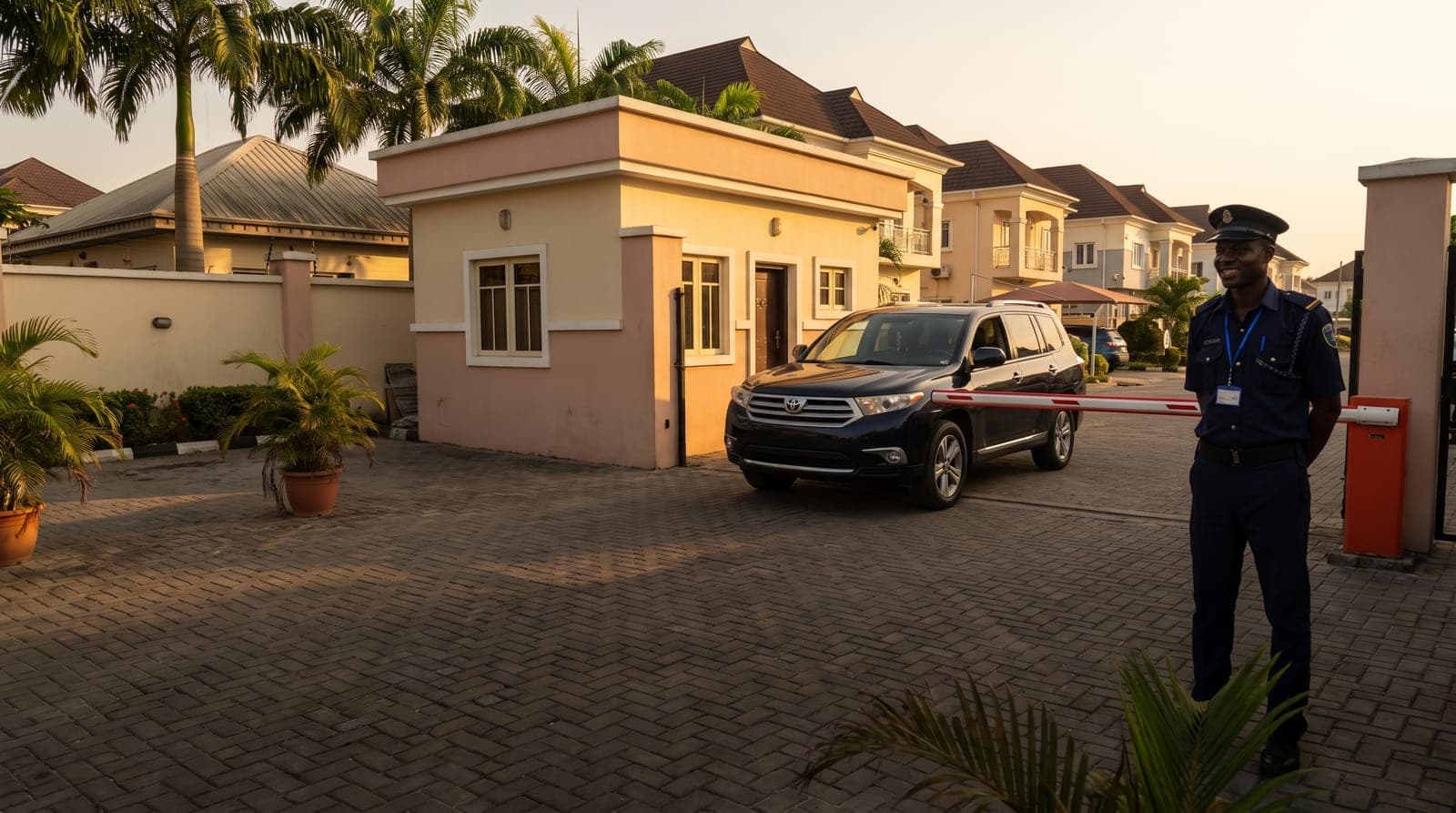
In many Nigerian estates, the communal transformer is the most expensive and vulnerable shared asset. When a 300kVA or 500kVA transformer blows a coil, replacement can cost many millions of naira, throwing the estate into sudden darkness and triggering chaotic emergency levy disputes that take months to resolve.
Understanding how to maintain communal transformers, manage DisCo tariffs, and meter common power lines is an essential duty of any competent estate committee.
1. Dedicated estate transformers vs. public DisCo transformers
Estates that procured their own dedicated transformer must establish clear legal custody with their electricity distribution company (IKEDC, EKEDC, AEDC, IBEDC). Ensure your association possesses the original handover certificates and commissioning test sheets from the Nigerian Electricity Management Services Agency (NEMSA).
2. The quarterly transformer maintenance routine
Preventive maintenance costs a fraction of an emergency rewinding. Your estate CSO or facility manager should schedule quarterly maintenance with a certified electrical engineer covering:
- Silica Gel Inspection: The breather's silica gel absorbs moisture from transformer oil. When it changes from deep blue to light pink, it is saturated and must be regenerated or replaced immediately.
- Dielectric Oil Breakdown Voltage (BDV) Test: Test the insulating oil annually to ensure dielectric strength exceeds 30kV.
- Substation Earth Resistance Testing: Earthing resistance is commonly kept below 5 ohms, so a lightning strike doesn't damage the windings. Ask your electrical contractor to test it.
- Bushing and Cable Termination Tightening: Loose terminations cause arcing and heat build-up that melt transformer terminals.
3. Metering communal electricity separately
Never tie streetlights or the gatehouse booth to a resident's individual prepaid meter. Install a dedicated, association-owned prepaid meter strictly for communal utilities. Fund this meter directly from the monthly service charge budget, ensuring full visibility into electricity consumption.