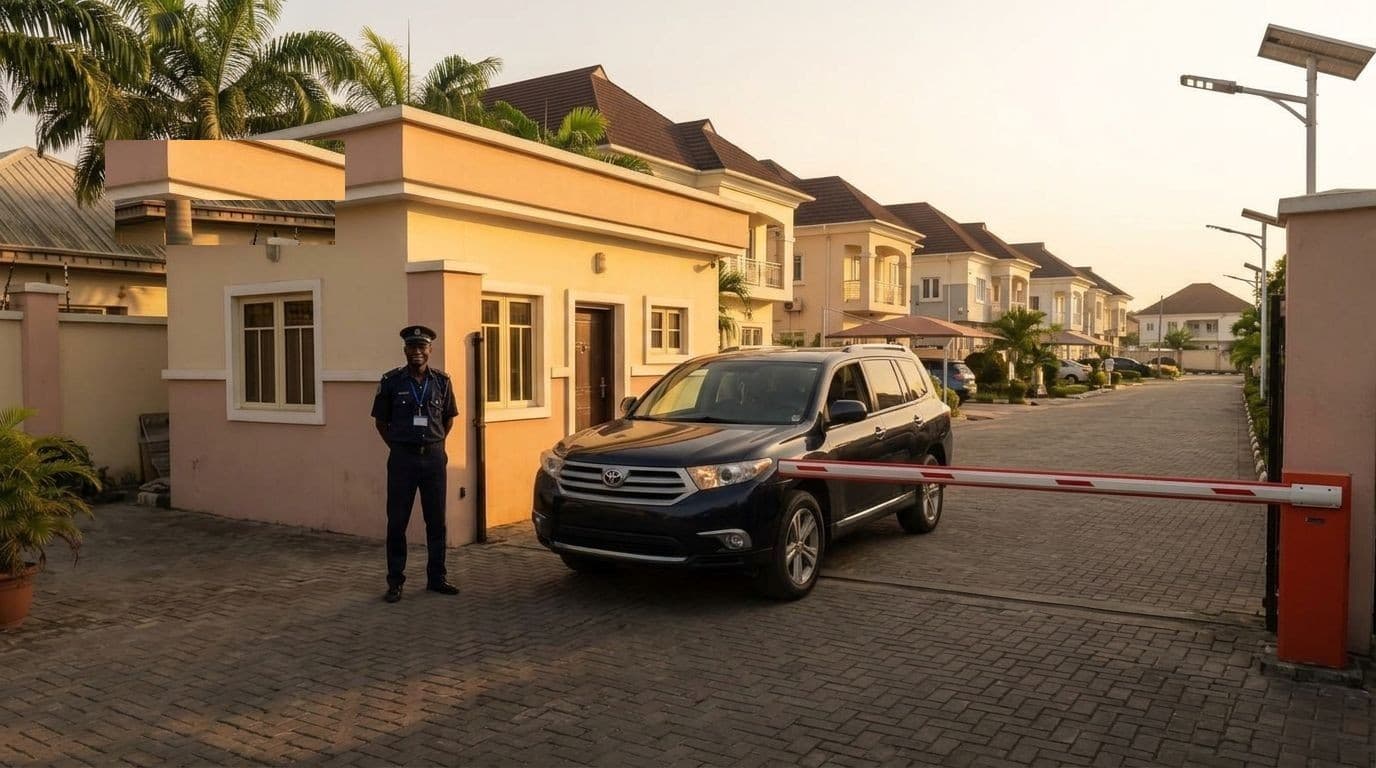
In Rivers State, particularly across Port Harcourt neighbourhoods like Old GRA, New GRA, Peter Odili Road, Trans-Amadi and Woji, service charge disputes are a common source of tension between landlords, tenants and estate associations, as the cost of diesel, security and grounds maintenance keeps rising.
Tenants often accuse landlords and managing agents of using service charges as an unregulated backchannel to increase annual rent. Landlords, on the other hand, struggle with ballooning utility and facility expenses. Understanding the legal framework governing tenancy and recovery of premises in Rivers State is essential for maintaining peace and preventing costly litigation.
The law in Rivers State
Tenancies in Rivers State are governed by the state's own rent control and recovery of premises legislation, read together with the tenancy agreement and the estate's rules. We couldn't find the current text online to check its details, so this guide sticks to principles that hold across Nigeria. For the exact law, ask a lawyer or the State Ministry of Justice.
Receipts
Ask for a receipt for every payment, and a written account of how service charge is spent. In Lagos, the Tenancy Law makes both a legal duty: a separate receipt for service charge, and a written account at least every six months (section 10). Whatever Rivers State's law says, put both in your tenancy agreement and the estate's rules.
A good receipt shows the amount, the date, who paid, the property and the period covered. Those are the details Lagos law requires on a rent receipt (section 5).
Accounts for service charge
Service charge pays for shared services, so residents can fairly ask how it was spent:
- Ask for a written account, with receipts and invoices, at least once a year. Lagos law sets every six months.
- Agree in writing what happens to money left over at the end of the year.
- Keep service charge receipts separate from rent receipts.
No self-help
Locking residents out, cutting off power or turning their visitors away to force payment is self-help. It can expose a landlord or committee to claims for trespass and damages, and some states make forcible eviction an offence; Lagos does (section 44 of its Tenancy Law). A landlord who wants a tenant out must serve the proper notices and get a court order.
Any attempt to forcefully evict a tenant or render residential premises uninhabitable without following formal statutory notice procedures (such as a valid Notice to Quit followed by a Seven Days Notice of Owner's Intention to Apply to Recover Possession) exposes the landlord to heavy damages for trespass and unlawful eviction.
Pay guards at least the minimum wage
Security is the biggest cost in most estate budgets. The national minimum wage has been ₦70,000 a month since July 2024, so check that your security contract pays guards at least that. Guards who are paid properly are more likely to stay, and less open to bribes.