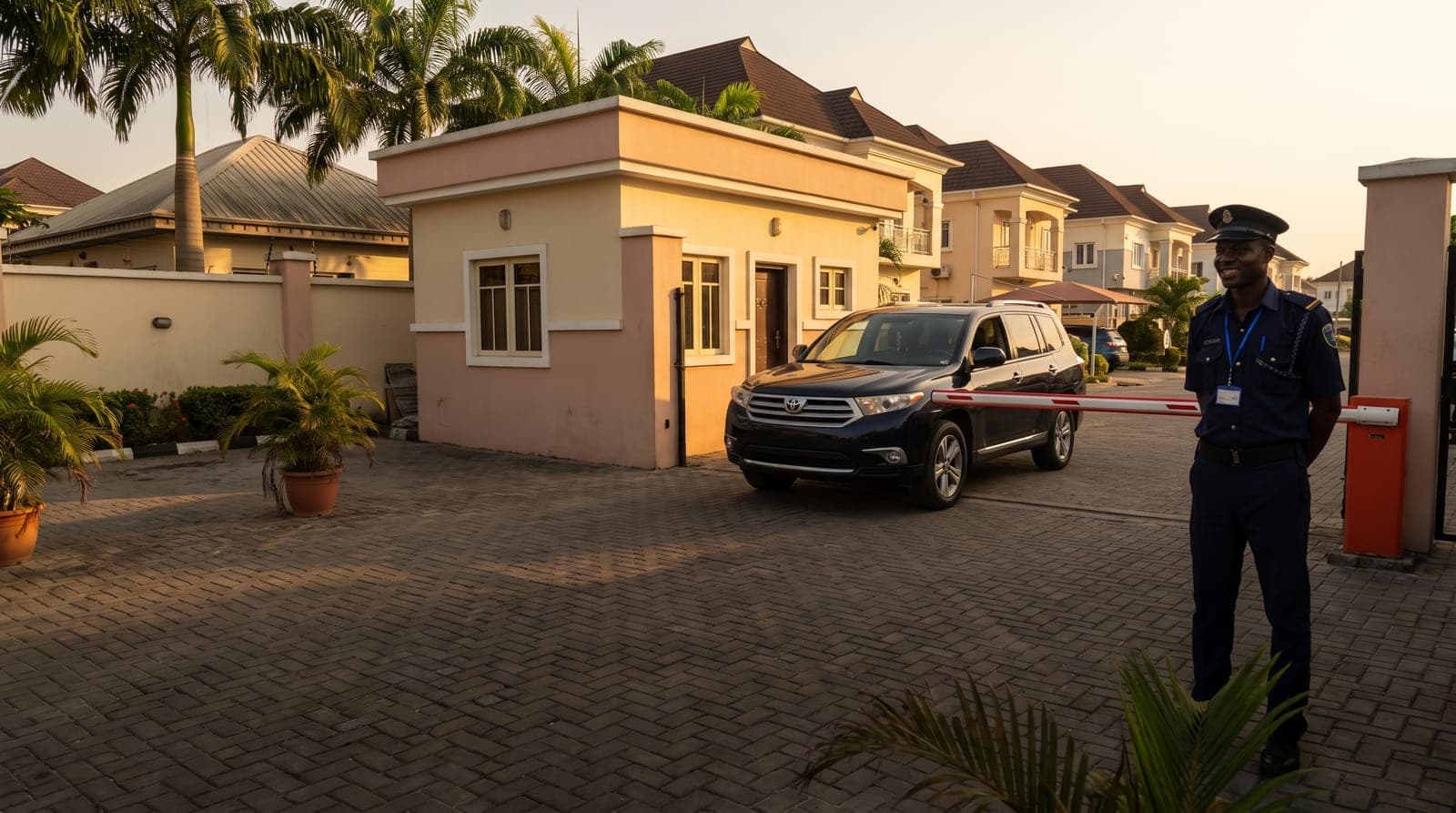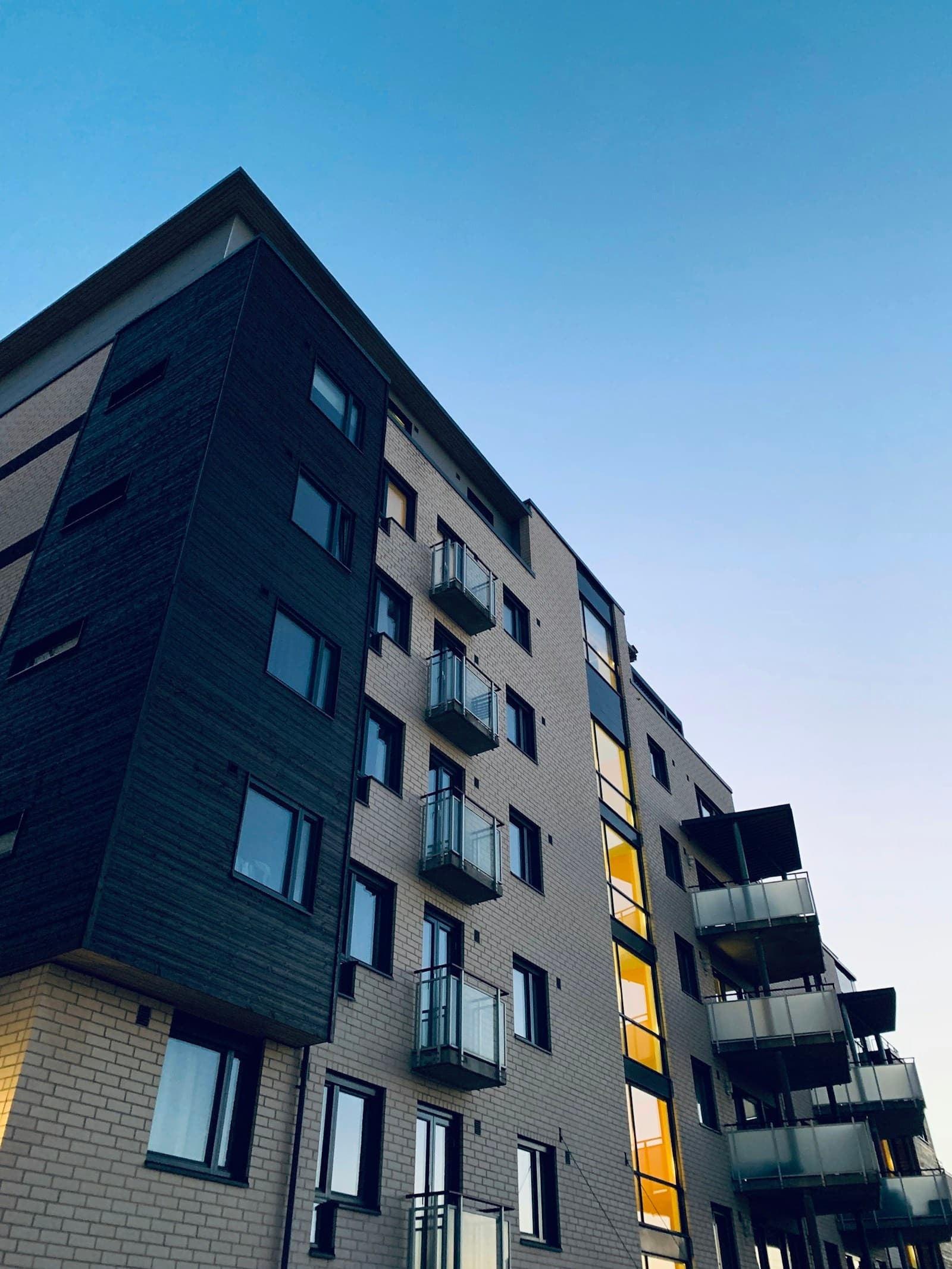
It is the classic compound tragedy across Nigerian cities: a shared block of 4 or 6 flats, or a gated close of 8 duplexes. Two or three responsible households diligently pay their share for the gate security guards, refuse disposal (PSP), and shared pumping machine power. But two stubborn neighbors refuse to contribute, citing endless excuses: 'I barely stay around,' 'My generator handles my power,' or 'I don't generate waste.'
Eventually, the crisis hits: the security company threatens to withdraw guards, the waste truck bypasses the compound, and the pumping machine burns out. How do paying residents resolve this without throwing punches or dragging police into a civil matter?
1. Stop the culture of collective punishment
The biggest mistake committees and compounds make is penalizing the whole close because of one or two defaulters. When security guards refuse to open the gate for paying residents, the paying residents get frustrated and stop paying too, causing total financial collapse.
Instead, unbundle services wherever technically feasible. For gated access, only vehicles belonging to households with active dues clearance should receive automated visitor passes or gate permits.
2. Convene a formal Compound Emergency Meeting with written minutes
Informal arguments in the corridor lead to defensive shouting matches. Instead, send a polite, formal written note 5 days in advance calling an 'All-Occupants Welfare & Security Meeting.'
- Present the hard financial reality: 'Our monthly guard bill is ₦120,000. With 4 flats, that is ₦30,000 each. Flat 1 and Flat 3 have paid; Flat 2 and Flat 4 are 3 months behind.'
- Record official minutes signed by attendees.
- Give defaulters a clear 14-day payment plan (e.g., paying 50% now and 50% at monthend) rather than demanding an impossible lump sum.
3. Direct escalation to the property owners (Landlords)
If a defaulting neighbor is a tenant who ignores compound meetings, do not waste time arguing with them. Obtain their landlord's phone number from the property title or other co-landlords. Contact the landlord directly with a formal letter:
'Dear Chief Okon, your tenant in Flat 2 has defaulted on security and waste contributions for 4 months. The security company is withdrawing services, threatening the safety of your property and neighboring homes. Please intervene or remit the communal dues as the property title holder.' Landlords hate being embarrassed by their peers and will immediately compel their tenant to comply.
4. Transition to automated, transparent digital tracking
When contributions are tracked in an unverified notebook, defaulters claim they paid 'someone who forgot to record it.' Moving your compound to a dedicated digital ledger eliminates all ambiguity.